
17 Sep Supporting Professional Development: Open Mosaic Habitat Training

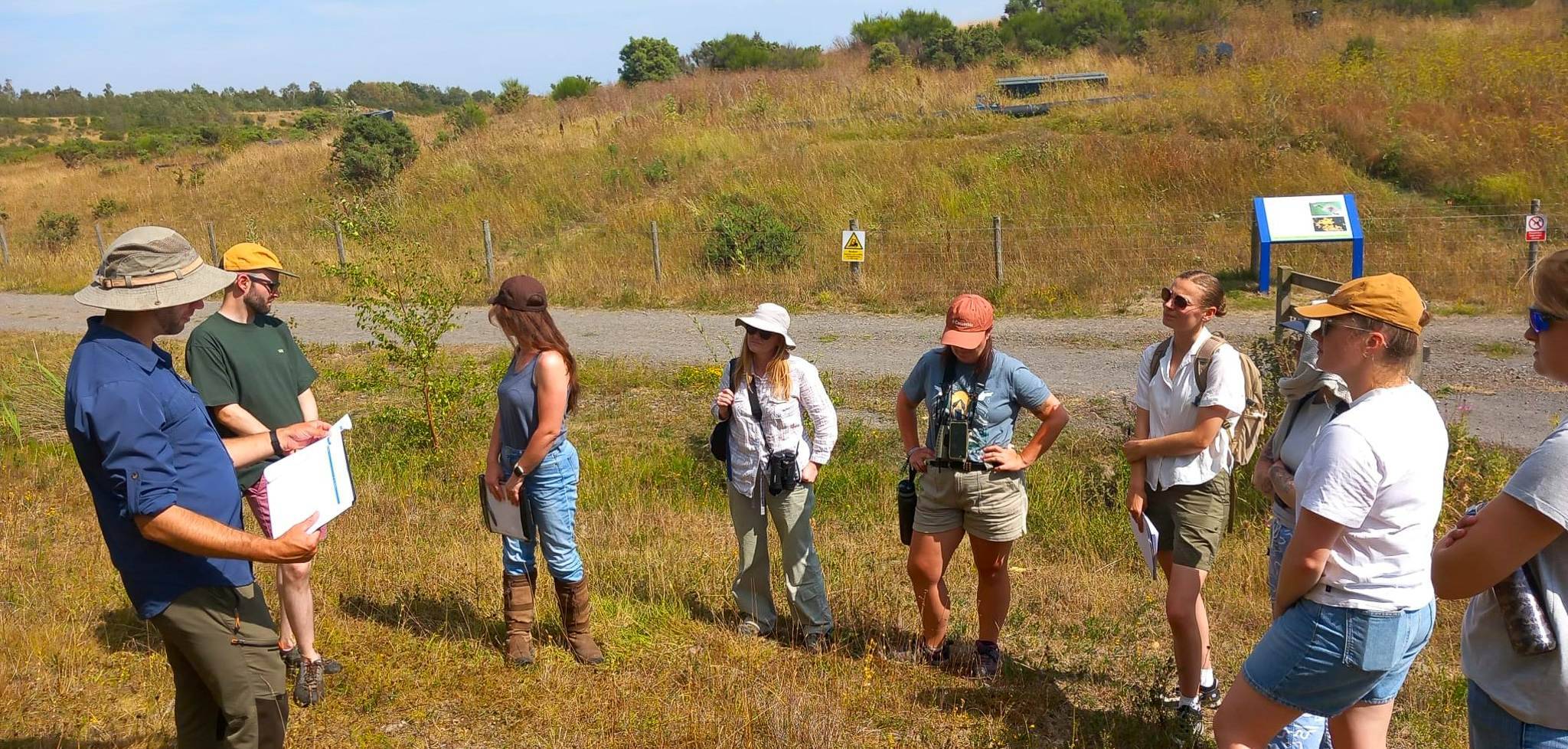
In August the BSG Newcastle team took part in Open Mosaic Habitat (OMH) training with experienced botanist Mike Perkins. The team were joined by ecologists from South Tyneside and Gateshead councils.
Found mostly on previously developed land, OMH is a Priority Habitat in the UK Biodiversity Action Plan. It exhibits a variety of botanical assemblages, from flower-rich grassland to bryophyte communities, and also supports around 30 UK priority invertebrates. OMH sites in North East England are of particular importance for the dingy skipper butterfly. It is therefore important that ecologists working in the region are familiar with OMH classification criteria and the wide variation in character that the habitat can present.
The ecologists started the training in the classroom re-visiting and discussing the key criteria for recognising OMH. OMH is a complex habitat, with species composition varying widely within and between sites, in accordance with substrate conditions including nutrient levels, pH and localised wetness. OMH also cannot simply be inferred based on the presence of early successional vegetation; other criteria that must be satisfied before an area is confirmed as OMH include extent, history of disturbance and the presence of bare ground.
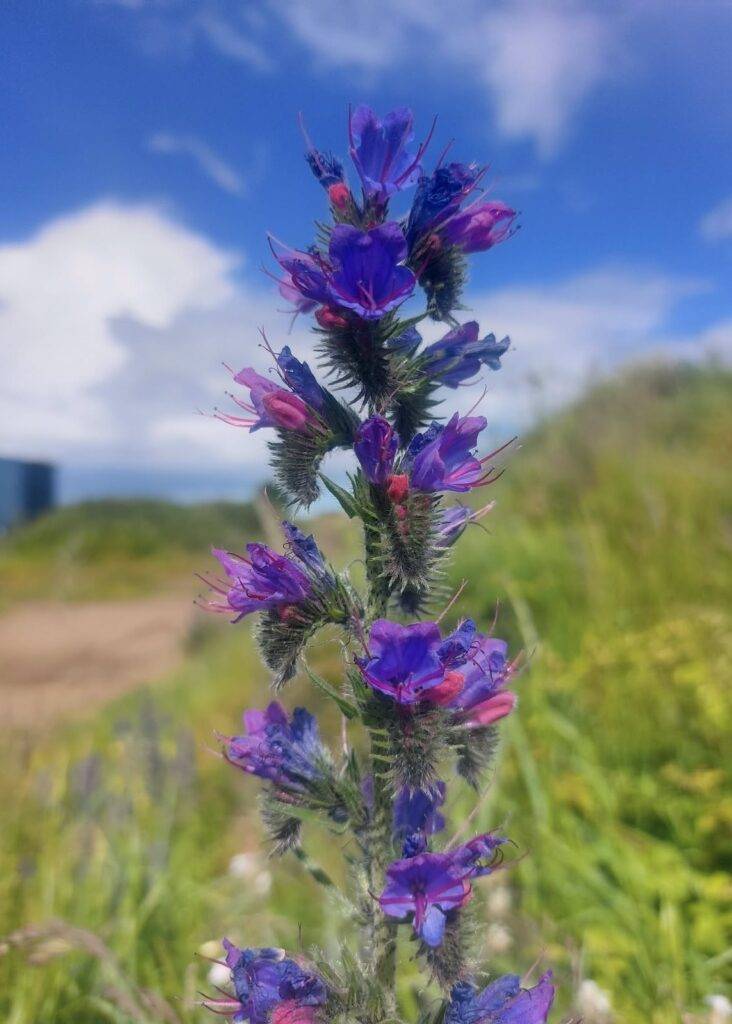
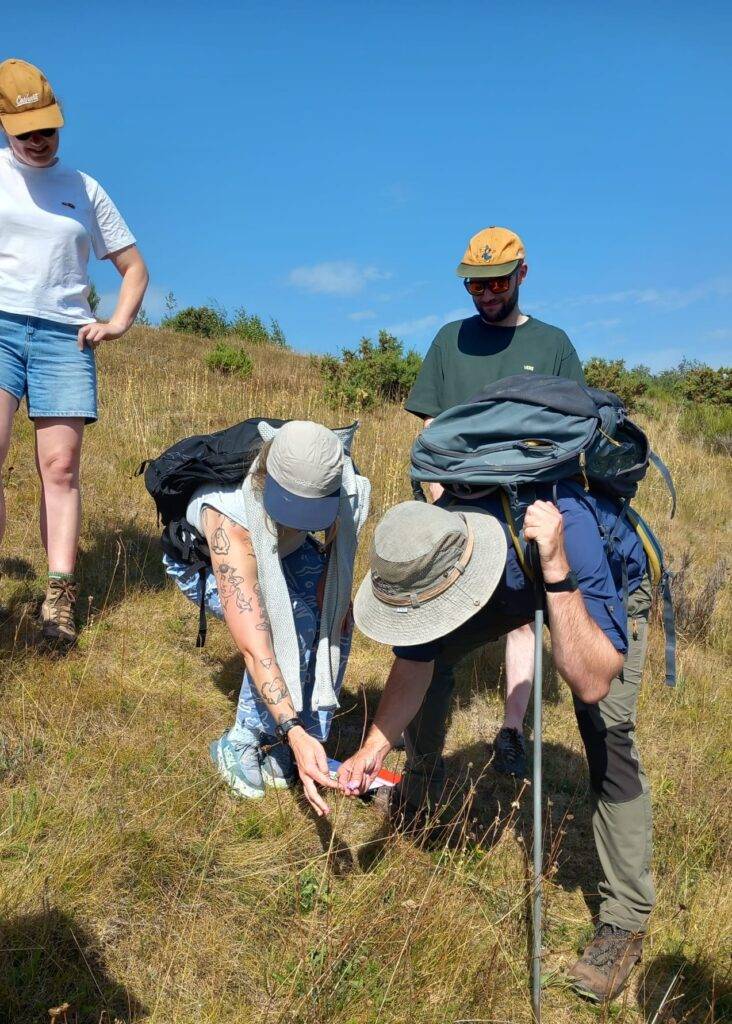
After lunch the team visited several OMH sites in Gateshead. A variety of native species commonly found on OMH in North East England were identified, including birds-foot-trefoil, yellow-wort and viper’s-bugloss, alongside some interesting neophytes (historical introductions), including grey alder and tall melilot.
During the field survey the ecologists were also able to see examples of where OMH transitions into other habitats, such as extensive scrub and grassland. This reinforced the importance of whole-site surveying to ensure that the extent of OMH, which can often cross over with other typical habitats of previously developed land, is accurately assessed.
We would like to thank Mike Perkins for an excellent training session and to the visiting council ecologists for attending and sharing their insights. Everyone came away from the training with an increased confidence in their understanding of both the complexity and value of OMH.