


Overview
BSG Ecology was commissioned by Renewable Energy Systems (RES) Ltd to complete ecological and ornithological assessment for the proposed 13 turbine Mynydd Maen Wind Farm.
BSG undertook desk study, a wide-ranging program of ecological and ornithological survey, co-ordinated consultation with nature conservation stakeholders, responded to scoping and pre-application consultation comments, and wrote two chapters of the Environmental Impact Assessment. BSG also identified and agreed the principles of long term habitat management that will be delivered by the Mynydd Maen Commoners Association should the proposed development be consented.
A planning application for the scheme was submitted in July 2024.
Challenge
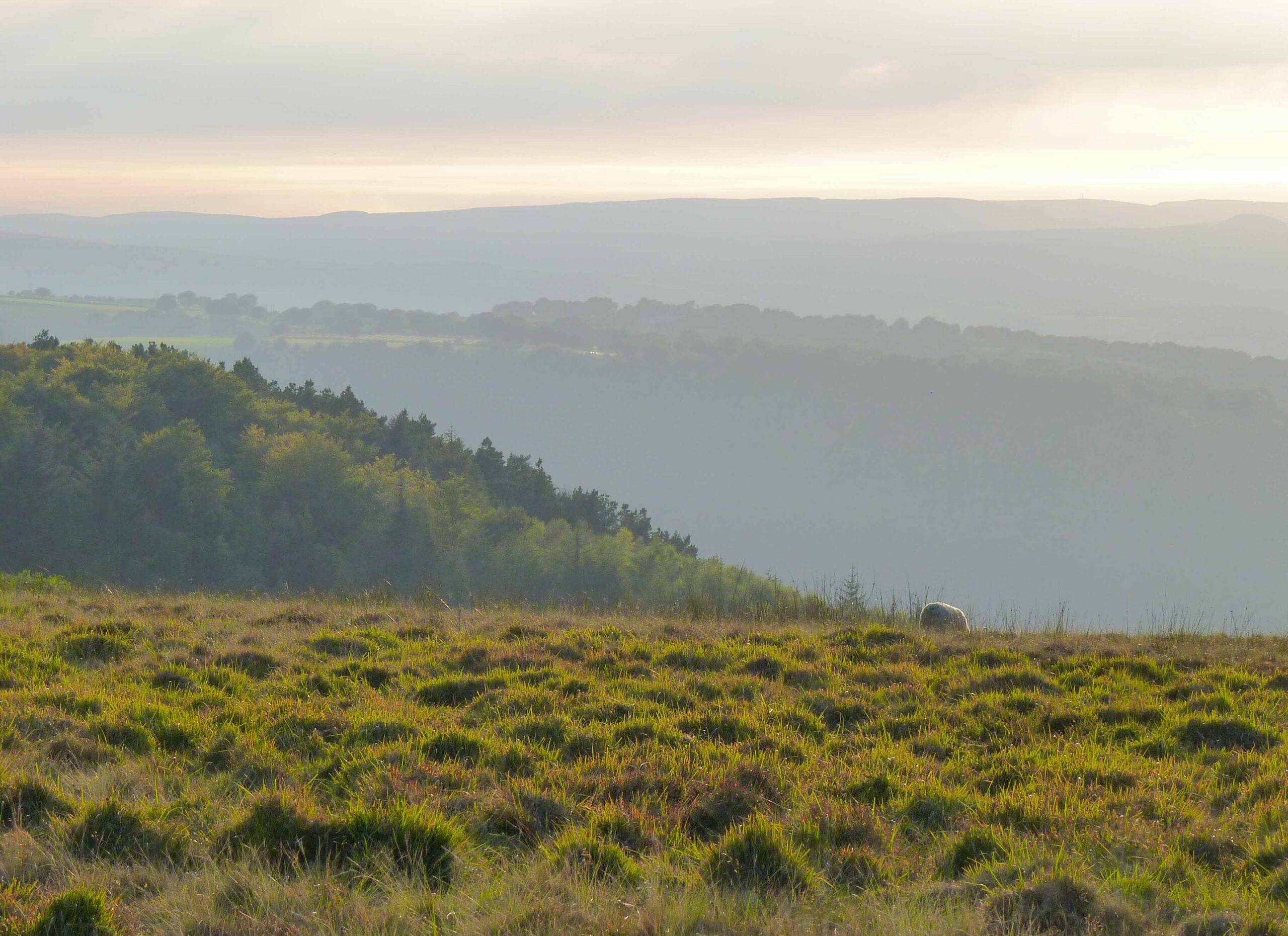
The proposed Mynydd Maen wind farm site boundary takes in land within the county boroughs of Caerphilly and Torfaen. The area is open unenclosed common dominated by dry heath and acid grassland habitats and subject to non-statutory designation (as a series of Sites of Importance for Nature Conservation).
The ecological challenges for the project included designing a program of baseline ecological and ornithological survey and identifying a practical, deliverable solution for delivering biodiversity net benefit in line with Planning Policy Wales 12. The site supports various bird and protected animal species (including bats), and solutions also needed to avoid or minimize effects on these features reflecting the Biodiversity Duty set out in the Environment (Wales) Act 2016.
Solution
Consultation through meetings with the relevant local planning authority ecologists, and via formal EIA scoping and pre-application consultation allowed the scope of survey, focus of the assessment and in principle biodiversity net benefit solutions to be explored and agreed.
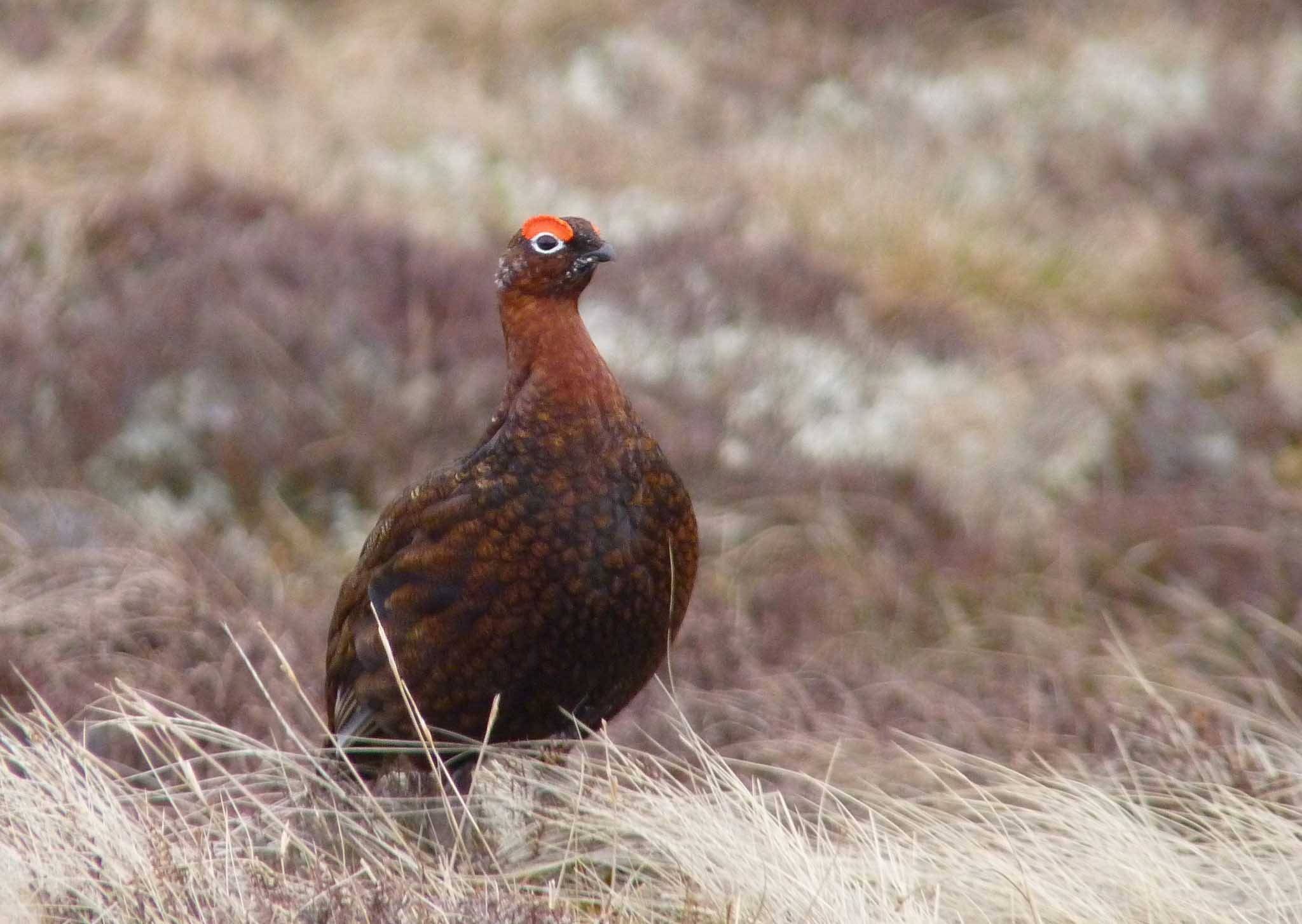
Two years of ornithological survey established that a range of breeding raptors, long-eared owl, nightjar and red grouse were present in the local area. Habitats within the site were attributed to National Vegetation Classification categories. Survey found that dry heath, bracken and acid grassland dominated the area, with small areas of wet heath, flush and semi-natural woodland also present. Habitats with potential to be groundwater dependent were identified for further consideration by the project hydrologist (so that groundwater dependency could by confirmed and any likely impacts assessed with greater certainty). Protected species-related work resulted in a minimum of nine bat species and a small population of great crested newt being recorded. There was no evidence of the presence of water vole, otter or hazel dormouse from within the wind farm site.
The results of these surveys were used to inform the evolving design and the focus of the ornithological and ecological impact assessments.
Mitigation will include feathering turbines at idle (to reduce their speed) and upping cut-in speed for generation (curtailment) to reduce bat fatality; this has been informed by correlating wind and temperature data with bat activity. A variety of other species that use the moorland, including red grouse, will benefit from habitat management if the development is consented and built. Pond creation will be undertaken to provide more habitat for the small population of great crested newt present.
If the development is consented, biodiversity net benefit will be achieved through a range of measures. These will include rotational cutting of the dry heath, feral tree removal, bracken control and localized rewetting of areas where drainage channels are present to create further ponds and restore wet heath. This management and habitat creation will be undertaken by the Mynydd Maen Commoners, and will deliver a long term solution for the management of the area for biodiversity through local community involvement.
Outcome
A planning application for the wind farm was submitted to Planning and Environment Decisions Wales (PEDW) in July 2024. A decision is awaited.