


Overview
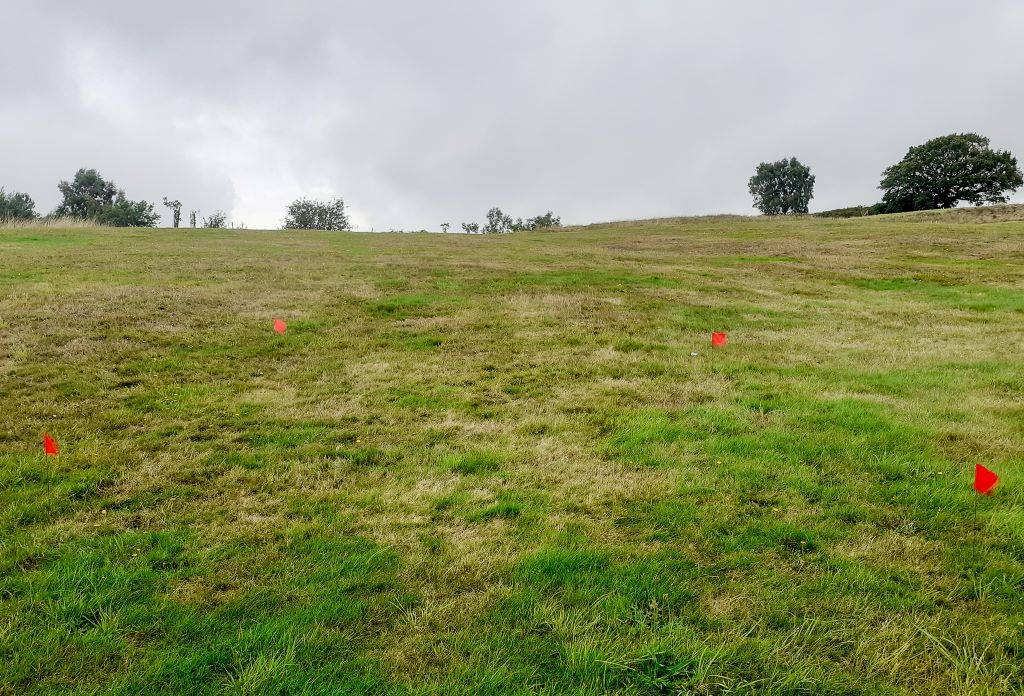
Birchover Quarry is a gritstone quarry and dimensional stone works located within the Peak District National Park. BSG Ecology was commissioned by Birchover Stone Ltd to create and establish dry heath and acid grassland within a grassland field adjacent to the east of the quarry that was subject to intense agricultural grazing. This was required as part of the 2015 planning consent for the continuation and extension to mineral extraction and associated operations. Through the delivery of the habitat management and monitoring plan prepared by BSG Ecology, approximately 1.3 ha of acid grassland habitat with heather species has been successfully created.
Challenge
Lowland Derbyshire has tiny patches of heathland remaining within areas of acid grassland as a mosaic, and dry acid grassland is a relatively rare resource which comprises only 34% of the remaining priority grassland resource in the area[1]. The creation and management of heathland and acid grassland habitats at the quarry would make a significant contribution to the Peak District National Park Biodiversity Action Plan habitat priorities for heathland restoration and nature recovery. The challenge was to establish a diverse acid grassland and heathland mosaic from a nutrient enriched, grazed pasture.
Solution
Soil sampling was used to determine the pH profile of the field ahead of any habitat restoration works. Much of the area was found to be around pH5.5; suitable for the germination and establishment of heather and acid grassland. Ripe, smoke treated, locally sourced heather seed was sown across the field and an initial annual management regime commenced in 2016, involving five cuts throughout the growing season with arisings removed, to reduce the nutrient status of the soils.
To determine the success of the habitat creation, detailed annual botanical monitoring surveys have been undertaken since 2018 to monitor the response of the existing soil seed bank and establishment of heathland and acid grassland communities within the field. An early season (May) and late season (August) botanical walkover survey of the whole field recorded the presence and abundance of all plant species. In addition, five permanent 2m x 2m vegetation monitoring plots with fixed point photography were established in 2018, and the presence and abundance of plant species within each plot was recorded.
The monitoring criteria for the success included colonisation of key indicator species including heath bedstraw, tormentil, sheep’s fescue and evidence of heather germination and percentage cover. Concise annual reports have been prepared and submitted to the Peak District National Park Authority detailing the methods and results of the annual monitoring surveys.
Outcome
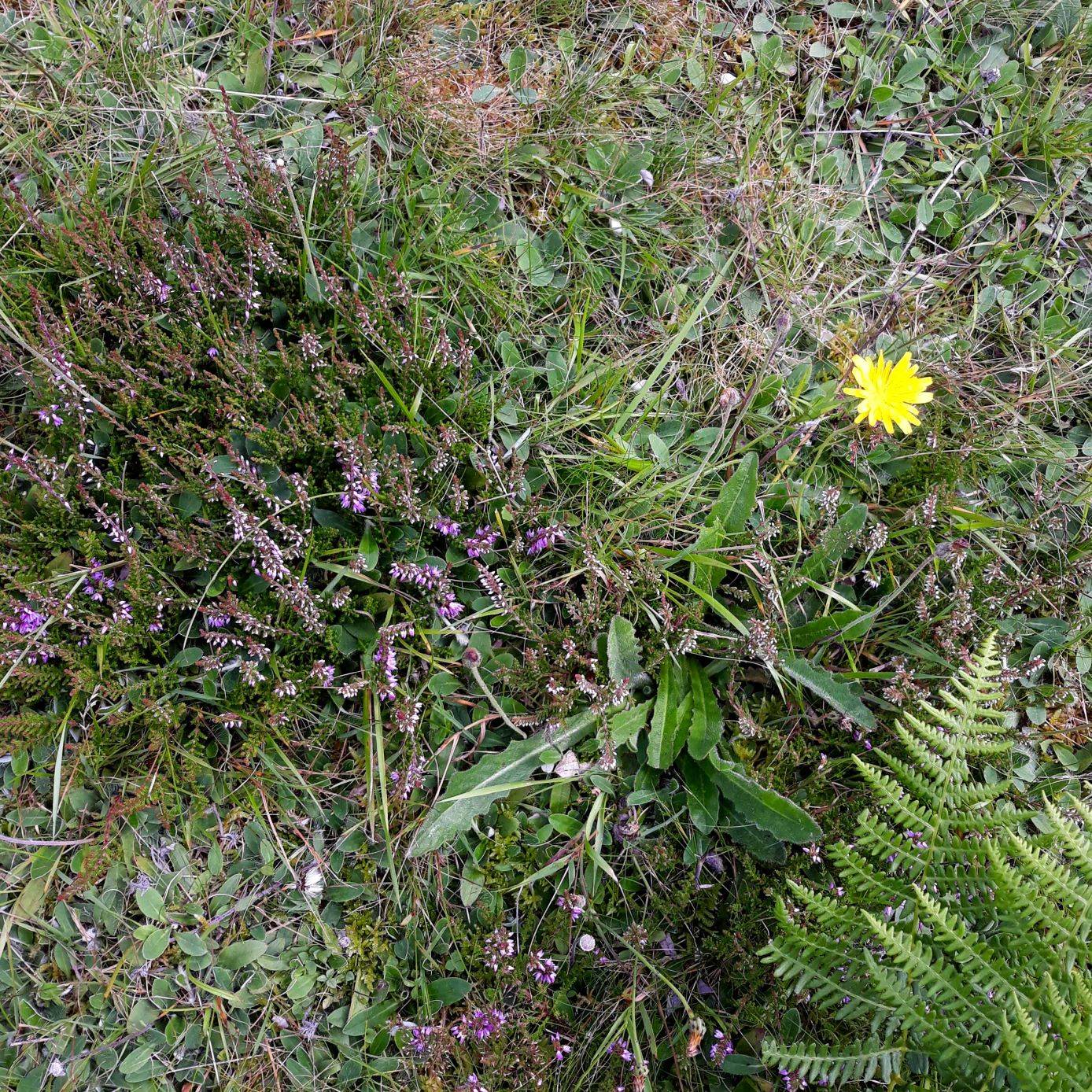
In 2019, a repeat of soil chemistry sampling showed a general downward trend in the nutrient status of the field, and the botanical monitoring supported the evidence that the sward composition was beginning to support desirable species more typical of acid grassland communities. By 2020 common heather Calluna vulgaris had started to establish.
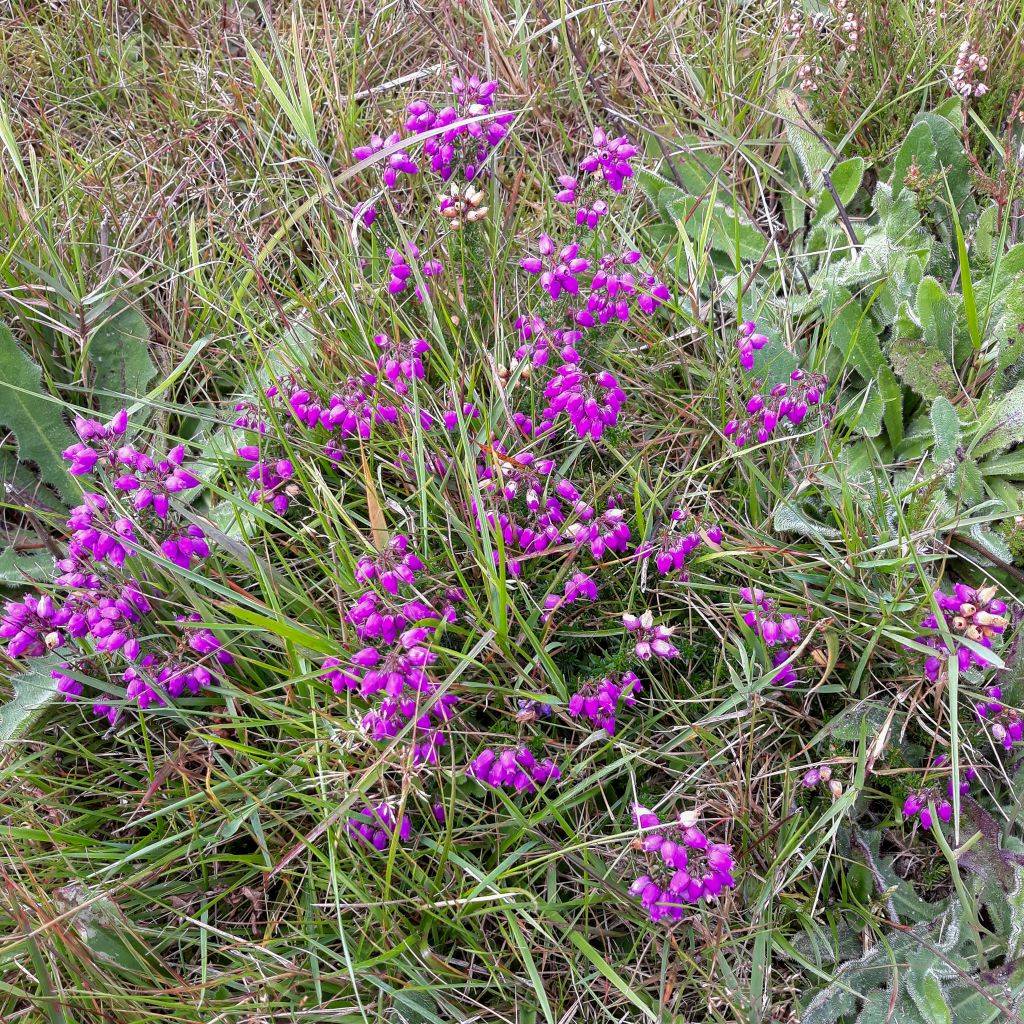
As the grassland and heathland has developed, and species diversity and acid grassland indicator species within the sward has increased, the number of cuts per year have been incrementally reduced, allowing acid grassland species a chance to flower and set seed. Heather has now successfully established across the field, and the frequent cutting has encouraged vegetative growth of these new heather plants. In 2023, bell heather Erica cinerea was recorded on site for the first time.
Ongoing conservation management is required to keep soil fertility low and to control competition from grass and pernicious weeds. A conservation led grazing regime is being considered for the long-term management of the field.
The project has shown that the soil conditions and allowing sufficient time and patience when undertaking acid grassland and heathland creation are important factors. The heather took 4 – 5 years from sowing before germination and establishment. BSG Ecology has worked in collaboration with the client team, a local landscape management company and the Peak District National Park Authority, to refine the management regime each year, responding to and informed by the results of the annual monitoring surveys to deliver a successful restoration.
Testimonial
“The scheme was conceived at the planning stage through discussions between PDNPA and Birchover Stone Ltd who were advised and supported throughout by BSG Ecology.” Nigel Morton, Director, Birchover Stone Ltd
———
[1] https://www.derbyshire.gov.uk/site-elements/documents/pdf/environment/conservation/ecology/lowland-derbyshire-biodiversity-action-plan/lbap-2011-2020-grassland-habitats-background-information.pdf