
02 Oct Supporting Professional Development: Otter Survey and Assessment Training

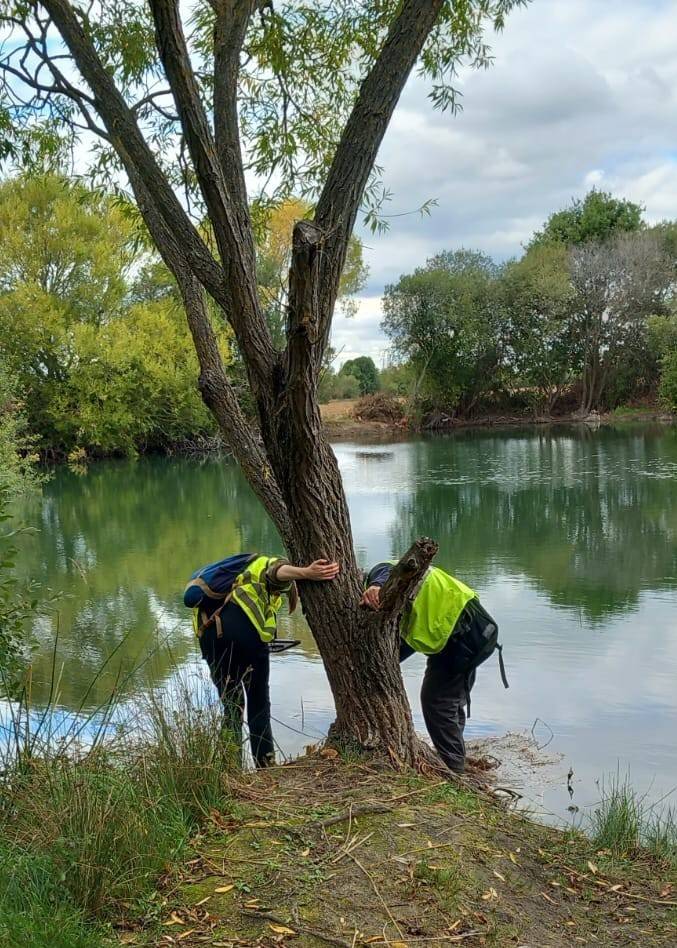
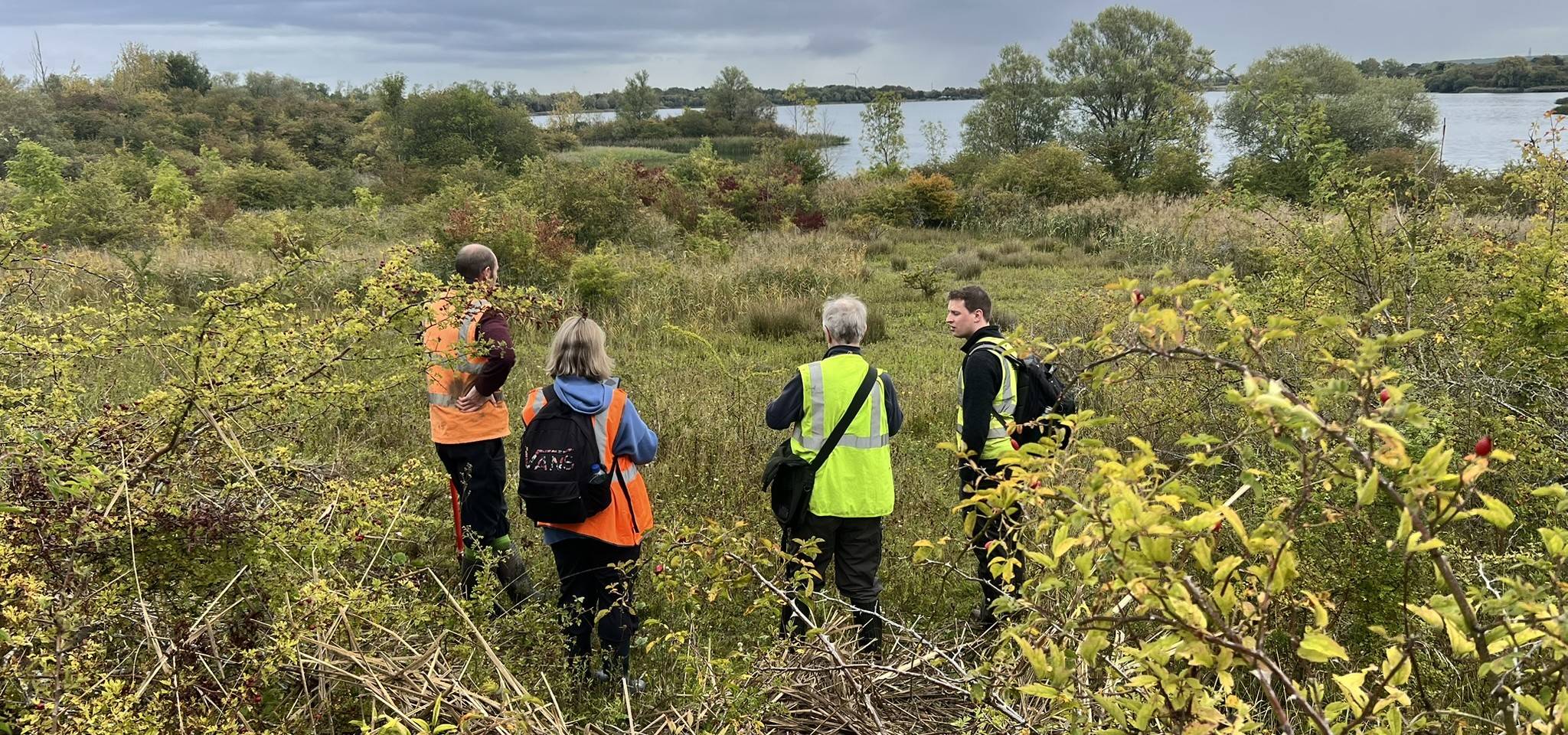
During September 2025, Ecologists from BSG Ecology’s Newcastle, Derbyshire, Oxford and Newport offices joined otter expert Geoff Liles for two days of field-based training in central Bedfordshire.
This training session followed desk-based training provided in April 2025 and provided attendees with first-hand experience of identifying the field signs left by otters when travelling through the landscape.
A key objective of the training was to identify otters’ overland travel routes (OTRs). These are important features for otters but they can be overlooked if no watercourses or waterbodies are present on a site. Knowledge of these features at the early stages of a development project can help inform an effective scheme design. Alongside identifying OTRs, Geoff highlighted the types of foraging areas, shelter, and resting sites used by otters. This confirmed some of the key principles of impact mitigation which Geoff shared in the April desk-based session, including how appropriate habitat retention/creation and timing can avoid disturbances to the species.
At the training site, footprints of varying size were identified which indicated that multiple otters were making use of a system of watercourses through a residential area. This gave the attendees a real-word example of watercourses that have sufficient shelter and habitat connectivity (in this case to a natal site, with cubs seen earlier in the year) to allow otters to continue to use developed land. Mammal paths were also identified which, along with records BSG hold for the site, confirmed that otters are travelling hundreds of metres directly over cropland and roads to reach ponds and lakes in their territory.
Attendees learned about appropriate levels of survey, how best to use remote camera equipment, and the diagnostic field signs for determining when and where mammal paths are used by otters.
The training also investigated some of the local records of otter road fatalities (available via the database of UK-wide road casualty data collated by Cardiff University). The locations were visited and it was found that OTRs were visible. The potential options for avoiding, mitigating, or compensating for the road collision impacts to otters at these locations were discussed.
Dr Jim Fairclough, Technical Director said: Thanks to Geoff for planning and running such a well organised and informative training event. Geoff has opened a window into the life of otters; helping us to understand how they think, behave and move through the landscape. This training will put us in good stead for undertaking robust and defensible surveys, and providing the most well-informed advice on otter mitigation and opportunities for enhancement.
Emily McVean, Senior Ecologist commented: “Geoff’s knowledge on otters is endless and I’m very pleased to have gleaned some of it. I left the training far more confident at being able to identify habitats and routes that are important for otters. It turns out that otters move across a site in a similar way to an otter specialist; finding the fastest, easiest route between the waterbodies!”