News & Views

Ahead of upcoming changes to wildlife policy and legislation, Kirsty Kirkham (Director) and David Stiles (Senior Ecologist) were invited to talk to the University of Sheffield Estates and Facilities Management Teams. The presentation looked at the practicalities of managing ecological issues that might arise as part of planning a proposed development, within the context of current biodiversity legislation and policy guidance. It then went on to focus on the implications of Brexit, the draft environment bill and how to navigate the risks and opportunities associated with biodiversity net gain.
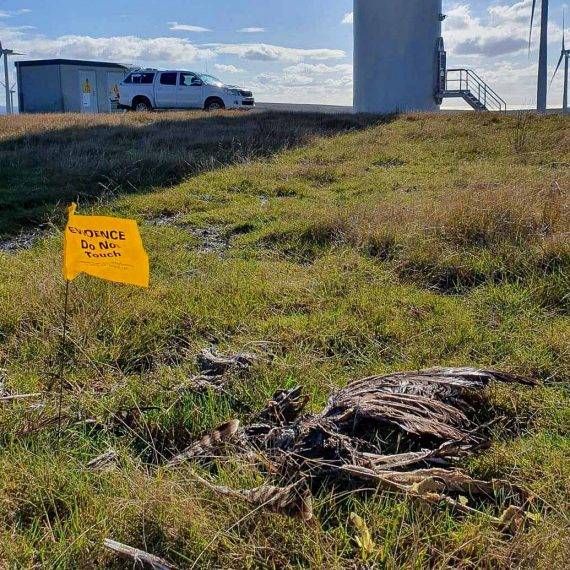
A recent paper entitled ‘Paint it black: Efficacy of increased wind turbine rotor blade visibility to reduce avian fatalities[1],’ was widely reported by the UK media. Reports stated that a reduction of over 70% in bird fatalities could be expected as a result of changing the colour of turbine blades, thereby making them more visible to birds. In this article BSG Ecology Director Owain Gabb provides a short non-technical review of the paper, and comments on its potential relevance to UK schemes.

Training provision during 2020 has been significantly complicated by Covid-19. To address this, we have attempted to integrate job-related work with training wherever possible. One such initiative has seen Dr Jim Fairclough, our lead entomologist, providing training to staff based in South Wales, Derbyshire and Newcastle in invertebrate survey.

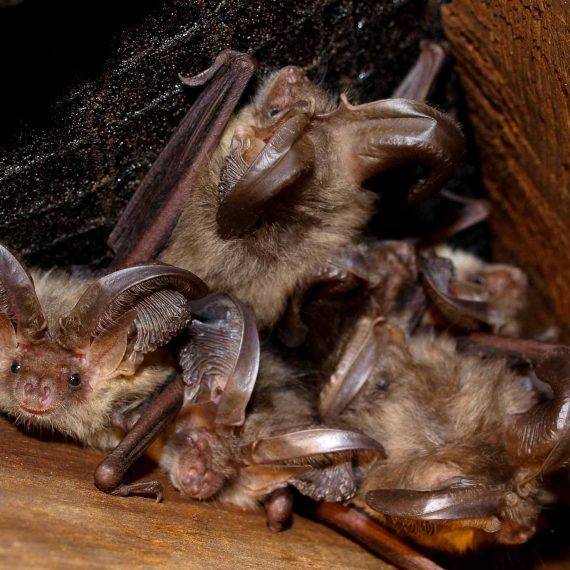
The Bat Conservation Trust (BCT) have re-launched the Roost Awards to promote best practice bat roost mitigation and enhancement. The BCT are inviting entries of case studies which demonstrate best practice in surveys / initial data collection, design and planning, monitoring and lessons learned /...

This article aims to provide guidance to students, graduates and early career ecologists on the skill sets they might seek to develop, and how to set themselves apart from their peers in a highly competitive job market. It is an updated version of the article last...

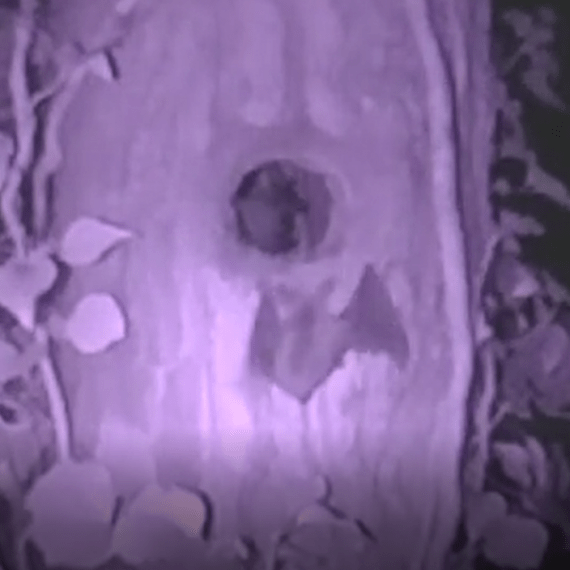
In some circumstances the use of technology such as remote-activated cameras can significantly improve the quality of ecological data collected and the confidence in the outcome of mitigation, while also saving money for our clients through a more cost-effective and less labour intensive approach to work. Some recent examples are outlined below, along with the footage captured in each instance.