
14 Aug Promotion of the Profession: Organic Farm Bioblitz

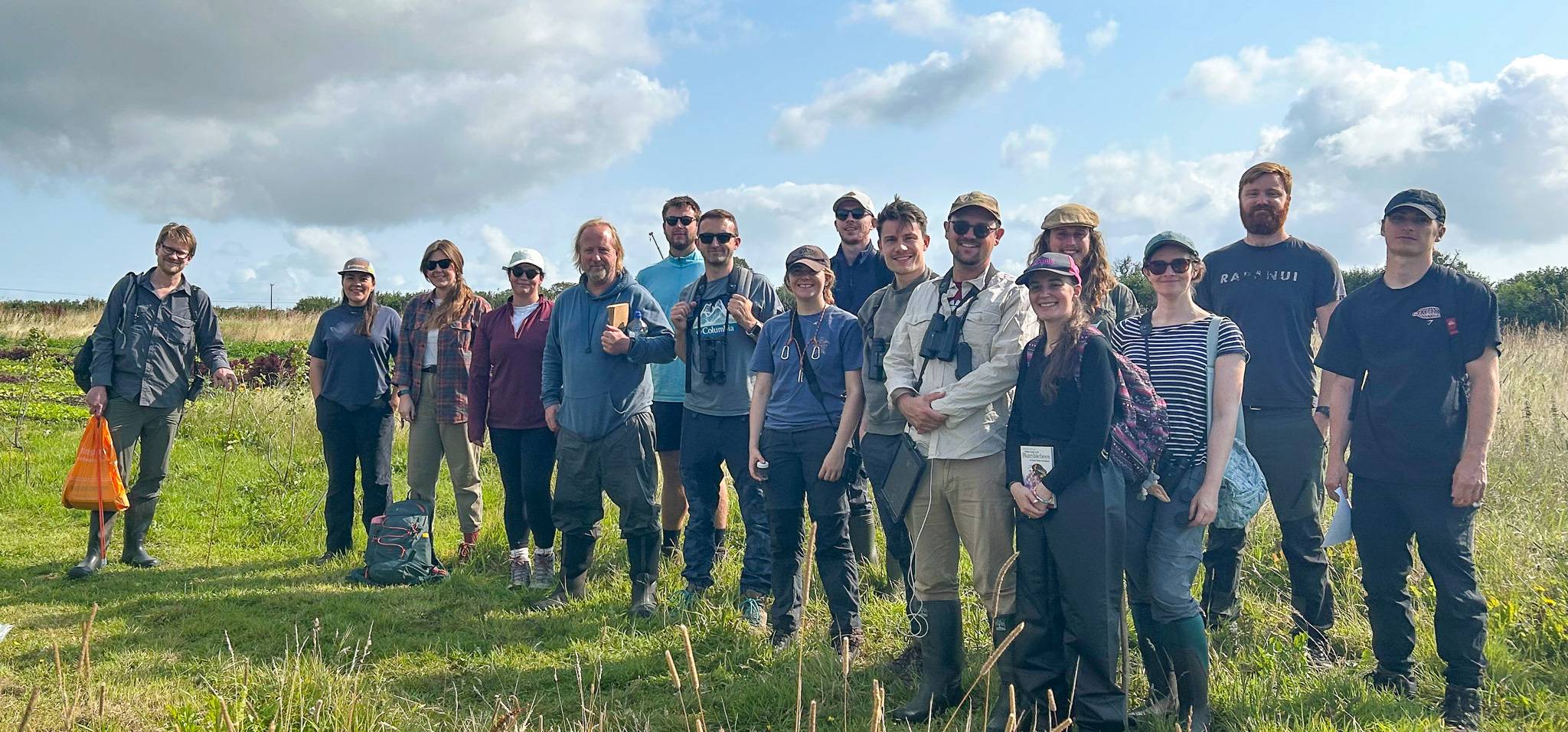
To celebrate ongoing success, our Welsh team recently got together to do a bioblitz of land at Furzehill, near Lunnon, Gower. The site is owned by the Ecological Land Co-operative (ELC) who assist people in starting up small-scale ecologically sensitive farming enterprises. Until 2019 the site was heavily sheep-grazed pasture with managed hedgerows but has been divided into separate plots with both organic vegetable and horticultural growing now taking place.
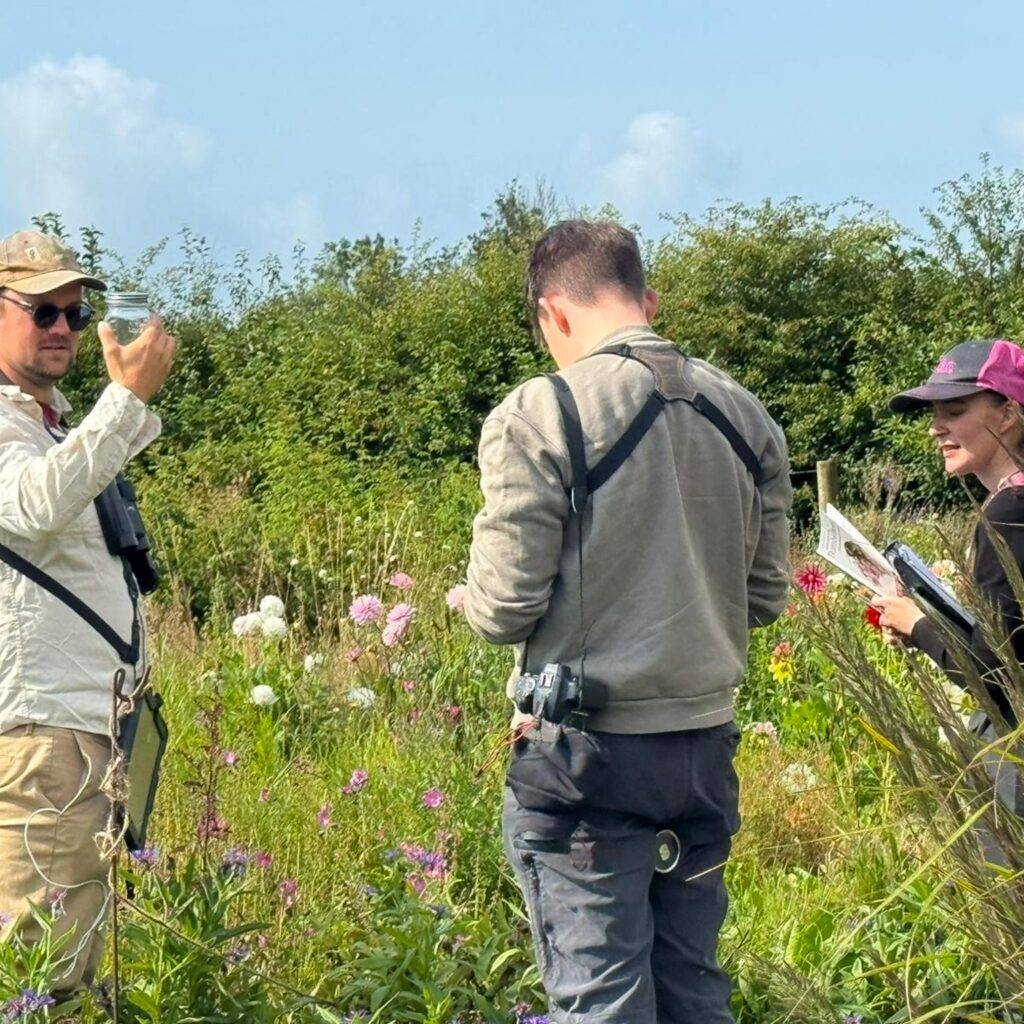
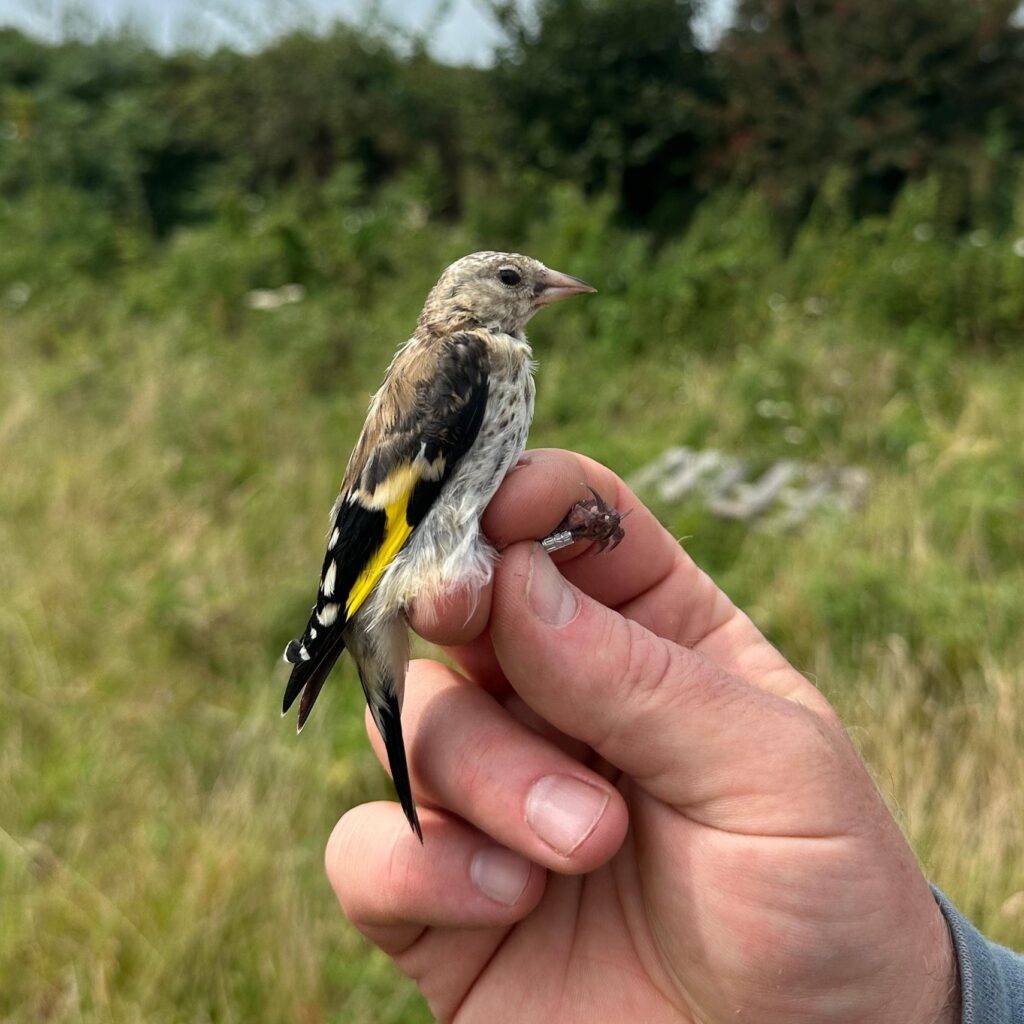
The purpose of the bioblitz was both to help ELC and the stewards at Furzehill understand the positive effects of the change in land use on biodiversity and to inform the evidence base for biodiversity benefits that will be presented to funders. Prior to the visit we set up three bat detectors and put out reptile mats on site. In addition to analysing the detector data and checking the mats, we ran two moth traps, completed bumblebee, butterfly and other conspicuous invertebrate survey and did a thorough audit of the botanical interest of each of the fields. We also recorded all birds present over the course of the day and ran a ringing demonstration. Our ecologists were accompanied by some of the stewards and volunteers from the Cae Tan Community Supported Agriculture Project.
Highlights of the day were recording seven bat species that included greater horseshoe bat, a soprano pipistrelle roost in one of the on-site buildings, common toad, the highly localised broken-belted bumblebee (among six bumblebee species), a wasp spider (a very recent local coloniser), 12 species of butterfly and 24 species of moth (a low diversity due to cold overnight conditions). In terms of birds, the number of linnets and goldfinches foraging in the fields, and willow warblers and chiffchaffs in the now grown-out hedges was good to see, and indicative of the abundant weed seeds and obviously higher invertebrate biomass than surrounding land respectively. The most notable plant record was of corn spurrey, a near-threatened arable weed, and the botanical species list amounted to close to 100 species.
All data from the bioblitz are being compiled and will be submitted to South East Wales Biological Records Centre. We will also provide a short summary to ELC. The BSG team thoroughly enjoyed the chance to get together and do some informal ecology, and we rounded it off with a trip to the pub for a couple of drinks and a meal.
Thanks to Russell Evans of RSPB for helping run the moth trapping session, to Rita (and family) for a wonderful lunch made from food grown on the land, and to Bettina and Cae Tan staff / volunteers for being so welcoming.
For related information, see the Ecological Land Co-operative and Cae Tan websites.
Amy Willoughby, Site Data Manager for the Ecological Land Co-op commented:
“It has been brilliant working with BSG to monitor the ecological health of our 3 agroecological micro farms on the Gower. The team have been thorough, flexible and have really understood the particular and multiple needs of our organisation, in making visible the benefits of ecological farming to a wide spectrum of stakeholders.”